Nerve and Muscle Disorders
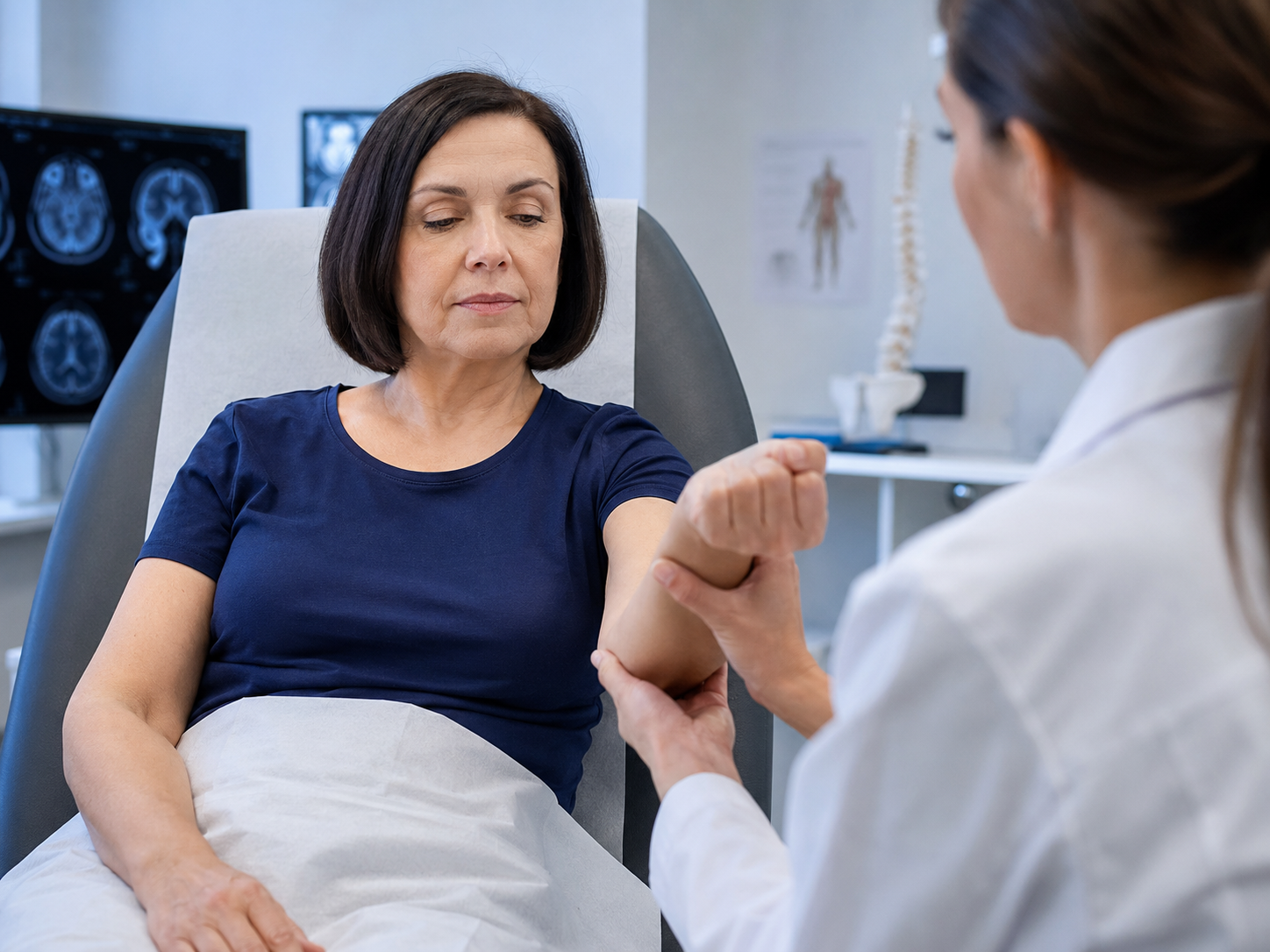
Nerve and muscle disorders, also known as neuromuscular disorders, are conditions that affect the nerves responsible for controlling voluntary muscles. These are the muscles used for everyday movements such as walking, lifting, gripping and moving the arms and legs.
Nerve cells, or neurons, carry signals between the nervous system and the muscles. When these nerves become damaged or unhealthy, communication with the muscles can be disrupted. This may lead to muscle weakness, muscle wasting, twitching, cramps, aches, pain and difficulties with movement or joint function. In some conditions, breathing or heart function may also be affected.
Examples of neuromuscular disorders include:
- Amyotrophic lateral sclerosis (ALS)
- Multiple sclerosis
- Myasthenia gravis
- Spinal muscular atrophy
Some neuromuscular conditions may be genetic and run in families, while others may be related to abnormalities of the immune system. Treatment depends on the underlying condition and may focus on managing symptoms, maintaining mobility and supporting function and quality of life.
Diagnosing Nerve and Muscle Disorders
Assessment usually begins with a detailed medical history and neurological examination. Further testing may be required to assess how well the nerves and muscles are functioning.
Common investigations include:
- Nerve Conduction Studies (NCS)
- Electromyography (EMG)